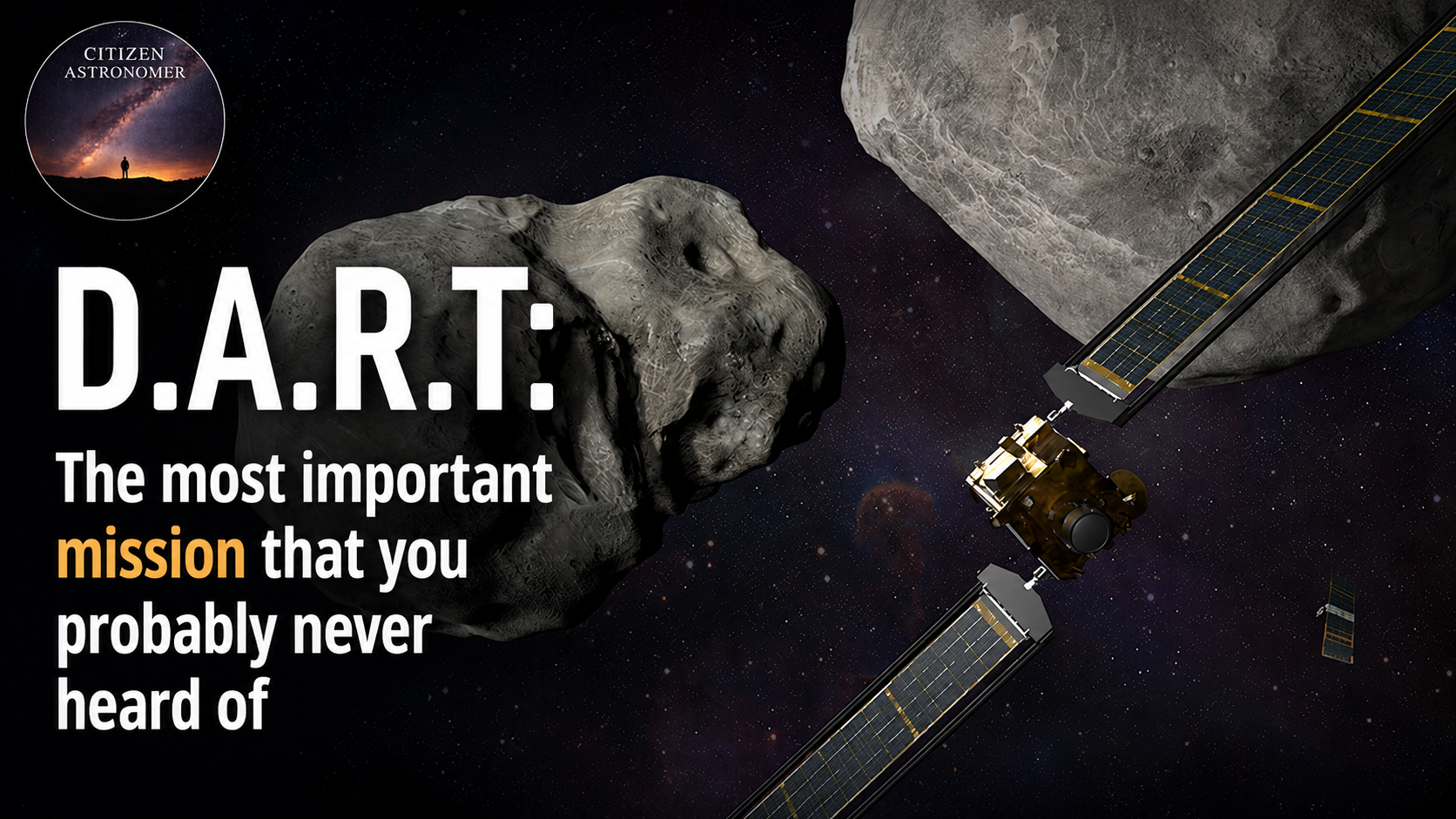
Arguably NASA’s most important mission is one you’ve probably never heard of. Returning to the Moon and aiming for Mars are inspiring goals—but neither may matter as much as answering a far more urgent question: what would we do if a killer asteroid were headed for Earth?
For a long time, that question lived in science fiction. But in 2022, NASA tested a real solution with the Double Asteroid Redirection Test (DART)—the first mission designed to change the motion of an asteroid.
Why Asteroids Matter
Asteroids are rocky leftovers from the formation of the solar system about 4.6 billion years ago. While most orbit safely between Mars and Jupiter, some cross Earth’s orbit and pose a risk.
Chicxulub Impact Event (66 million years ago)
About 66 million years ago, a massive asteroid slammed into Earth near what is now the Yucatán Peninsula in Mexico, creating the Chicxulub crater. This event is widely accepted as the primary cause of the mass extinction that wiped out the non-avian dinosaurs.
Even relatively small asteroids can cause serious damage:
- Chelyabinsk (2013): A small asteroid exploded over Russia, injuring over 1,000 people
- Tunguska (1908): Flattened forests across a massive area
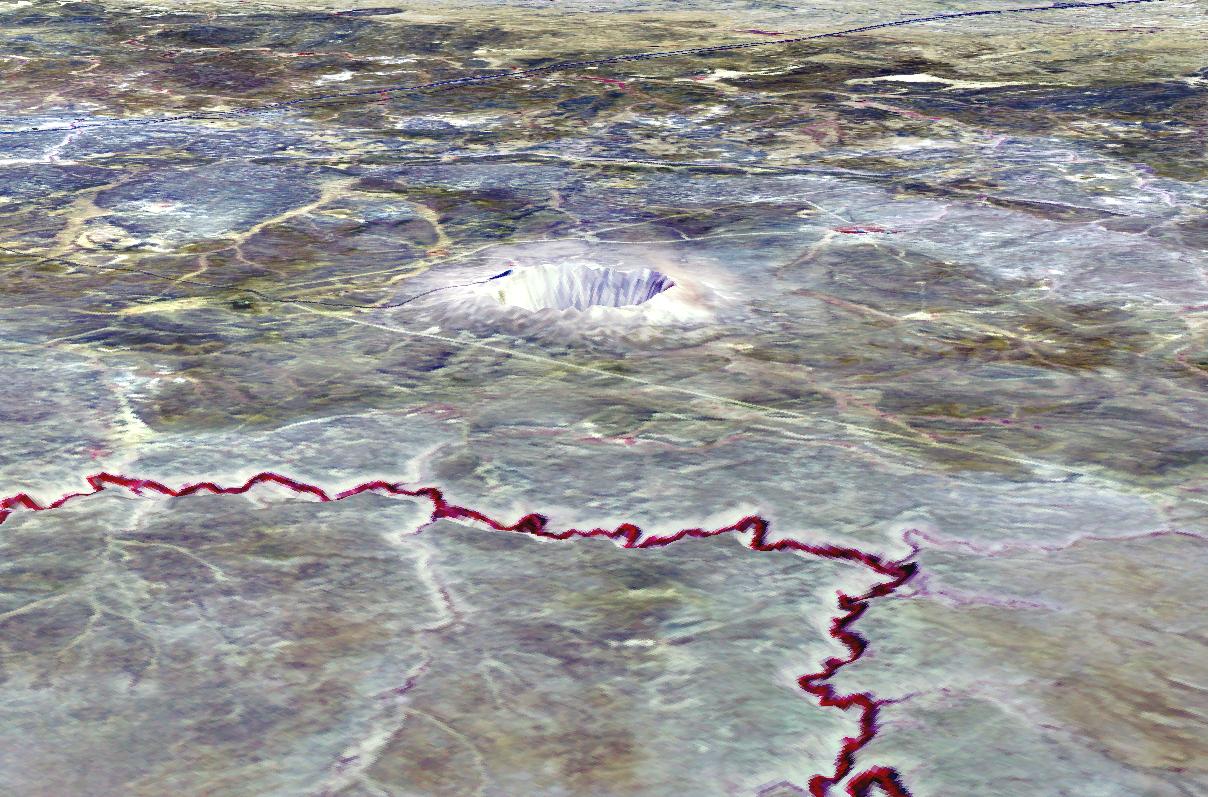
- Meteor Crater: A ~50-meter asteroid created a crater over 1 km wide
Side Quest: Interested in seeing how an asteroid impact can affect your home town? Try this impact simulator here – https://neal.fun/asteroid-launcher
The DART Spacecraft: Design, Systems, and Key Facts
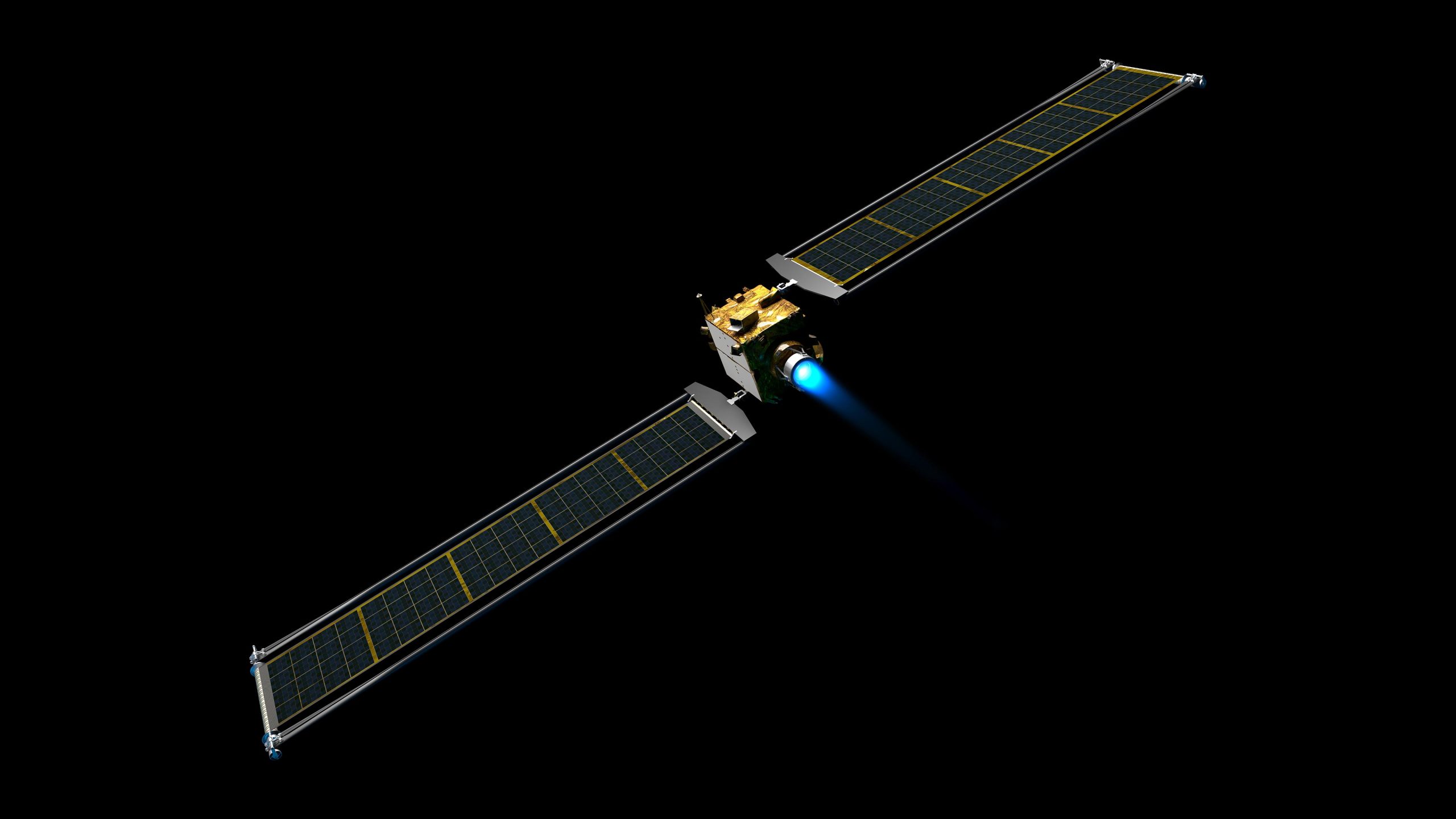
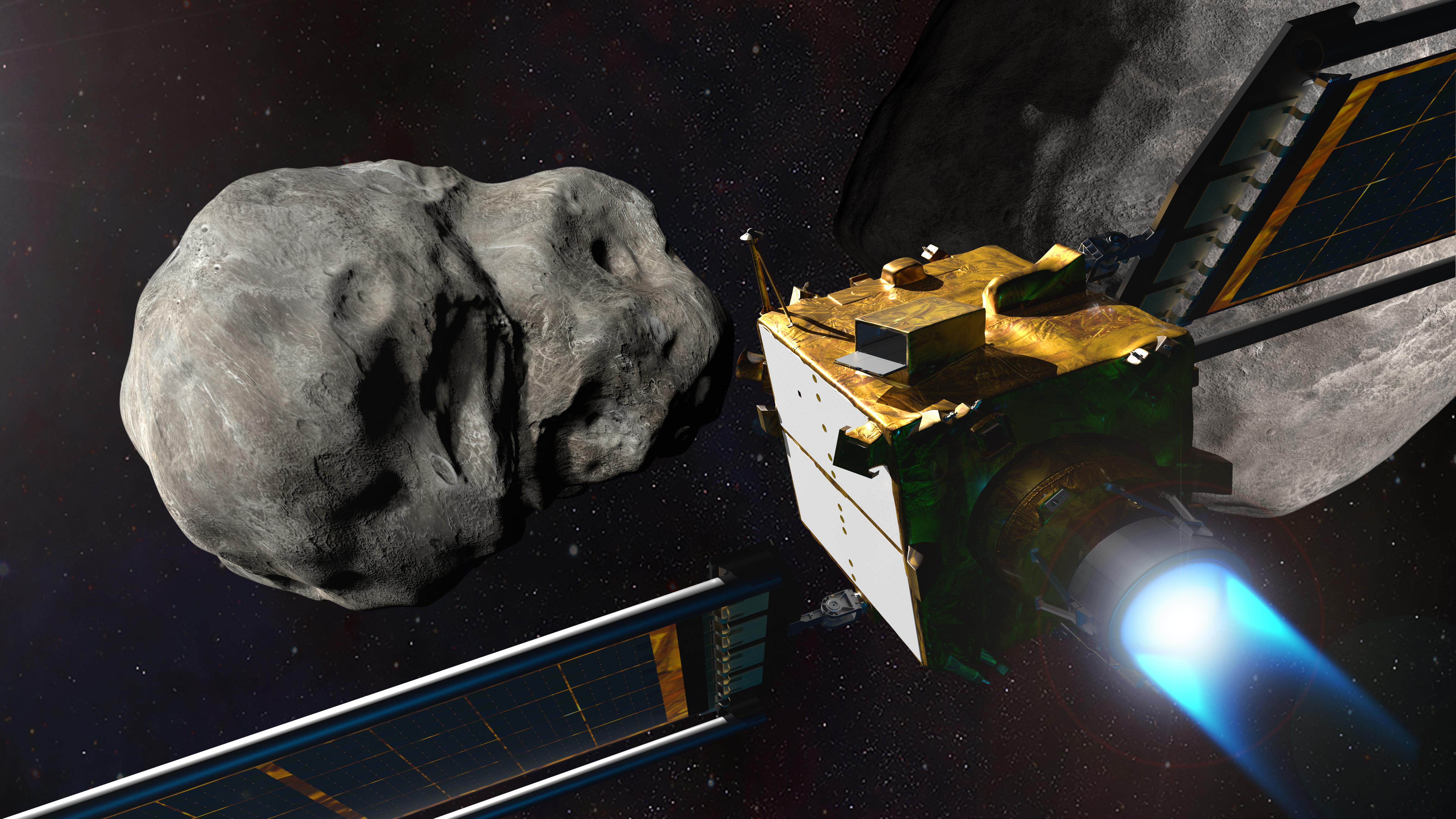
The Double Asteroid Redirection Test (DART) spacecraft was a compact, highly efficient robotic spacecraft built to demonstrate how a spacecraft could physically alter the motion of an asteroid.
Rather than carrying a wide range of scientific instruments, DART was designed around precision navigation, autonomous targeting, and efficient propulsion.
Spacecraft Overview
- Type: Kinetic impactor spacecraft
- Launch Mass: ~610 kg (about 1,340 lbs)
- Structure: Box-shaped central bus with extended solar arrays
- Primary Function: Autonomous navigation and high-speed impact targeting
Core Spacecraft Systems
Autonomous Navigation (SMART Nav)
DART used an onboard guidance system called SMART Nav (Small-body Maneuvering Autonomous Real Time Navigation). This system enabled the spacecraft to identify and track its target in real time without human intervention.
This capability is essential for deep-space missions, where communication delays prevent real-time control from Earth.
DRACO Camera

DART carried a single primary instrument: the DRACO (Didymos Reconnaissance and Asteroid Camera for Optical Navigation).
- Based on imaging technology used on NASA’s New Horizons mission
- Provided high-resolution images for navigation
- Enabled autonomous targeting during final approach
Power System (ROSA Solar Arrays)
DART was powered by Roll-Out Solar Arrays (ROSA), a modern solar panel design that is lighter and more compact than traditional rigid panels.
- Each array deployed after launch
- Lightweight and highly efficient design
- Provided power for spacecraft systems and propulsion
Propulsion System (NEXT-C Ion Engine)

DART used NASA’s NEXT-C ion propulsion system, an advanced electric propulsion technology.
- Uses xenon gas to generate thrust
- Significantly more fuel-efficient than chemical propulsion
- Provides continuous, low-thrust acceleration over long durations
This propulsion system allowed DART to make precise trajectory adjustments over millions of miles.
Spacecraft Design Highlights
- Minimalist payload: Focused on navigation rather than scientific instruments
- Autonomous targeting: No manual control required during final approach
- Efficient propulsion: Enabled long-duration maneuvering with limited fuel
- Lightweight structure: Optimized for speed and impact effectiveness
Supporting Technology
DART also deployed a small companion satellite called LICIACube, provided by the Italian Space Agency. While separate from the main spacecraft, it was used to capture images of the impact and resulting debris.
The Target: A Binary Asteroid System
DART targeted a pair of asteroids known as Didymos and Dimorphos.
- Didymos – the larger asteroid (~780 meters wide)
- Dimorphos – a smaller moon (~160 meters wide)
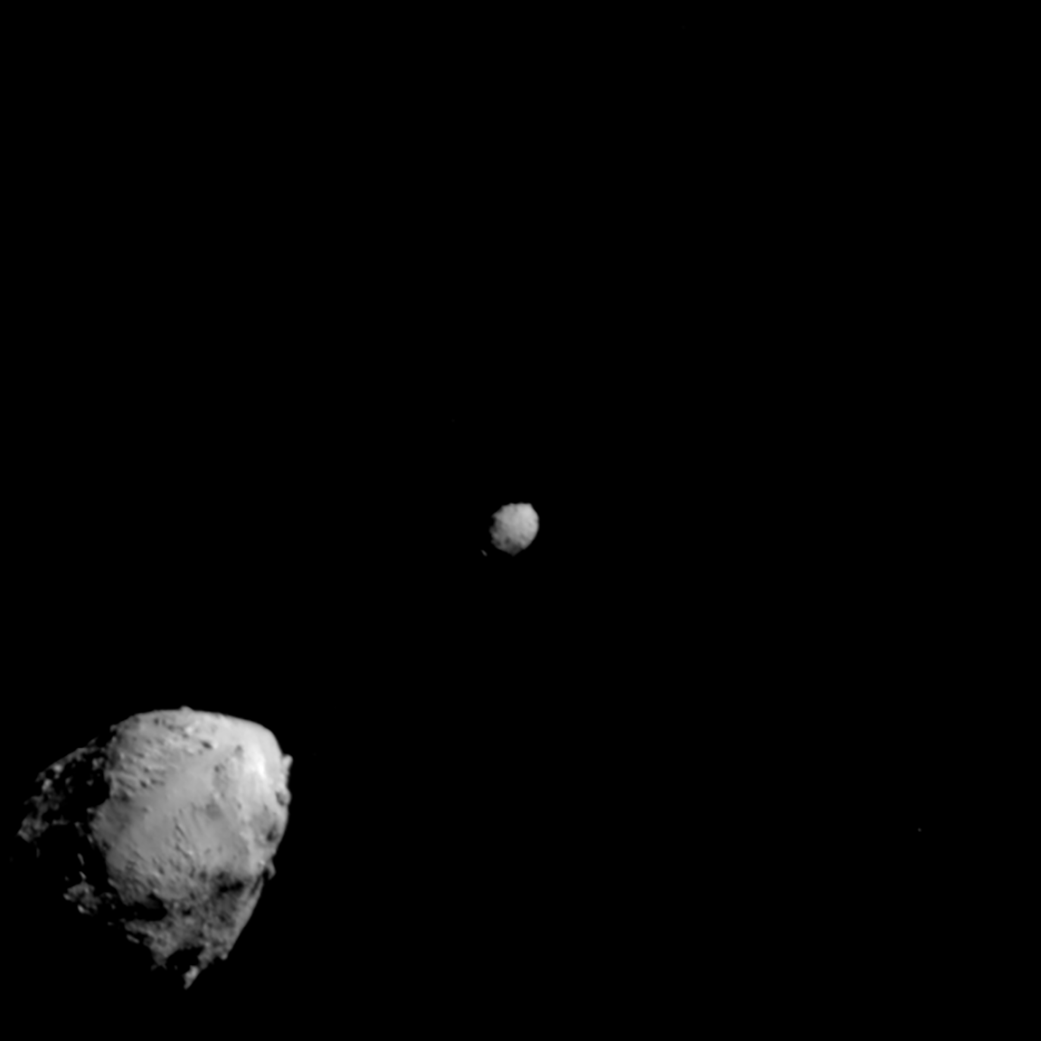
Dimorphos orbits Didymos, which made it possible to measure any change in its orbit after the impact.
How DART Worked
The concept behind DART was simple but powerful:
Crash a spacecraft into an asteroid to slightly change its path.
The spacecraft weighed about 1,500 pounds (676 kg) and struck Dimorphos at roughly 14,000 miles per hour.
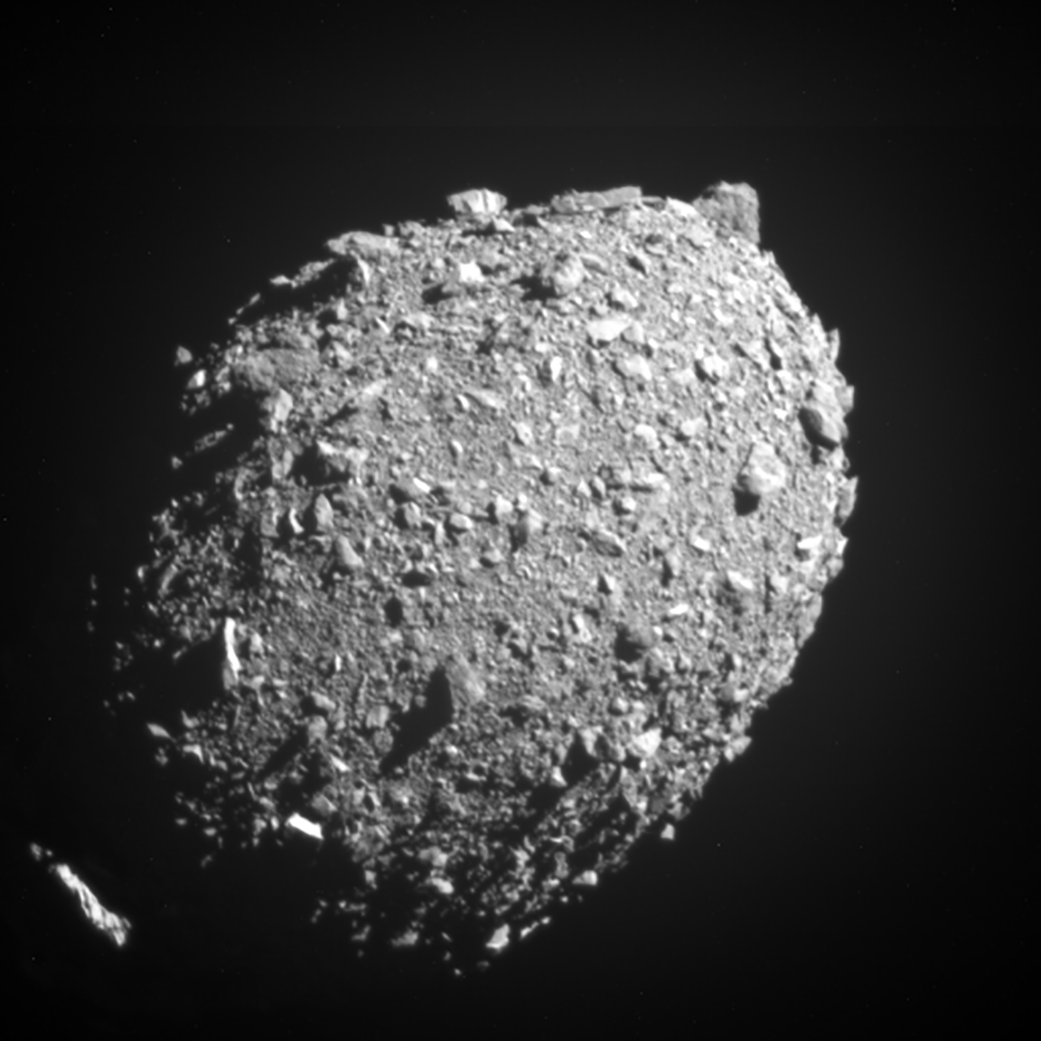
In its final moments, DART used an onboard camera and autonomous navigation system to guide itself directly into the asteroid.
The Impact
On September 26, 2022, DART successfully impacted Dimorphos.
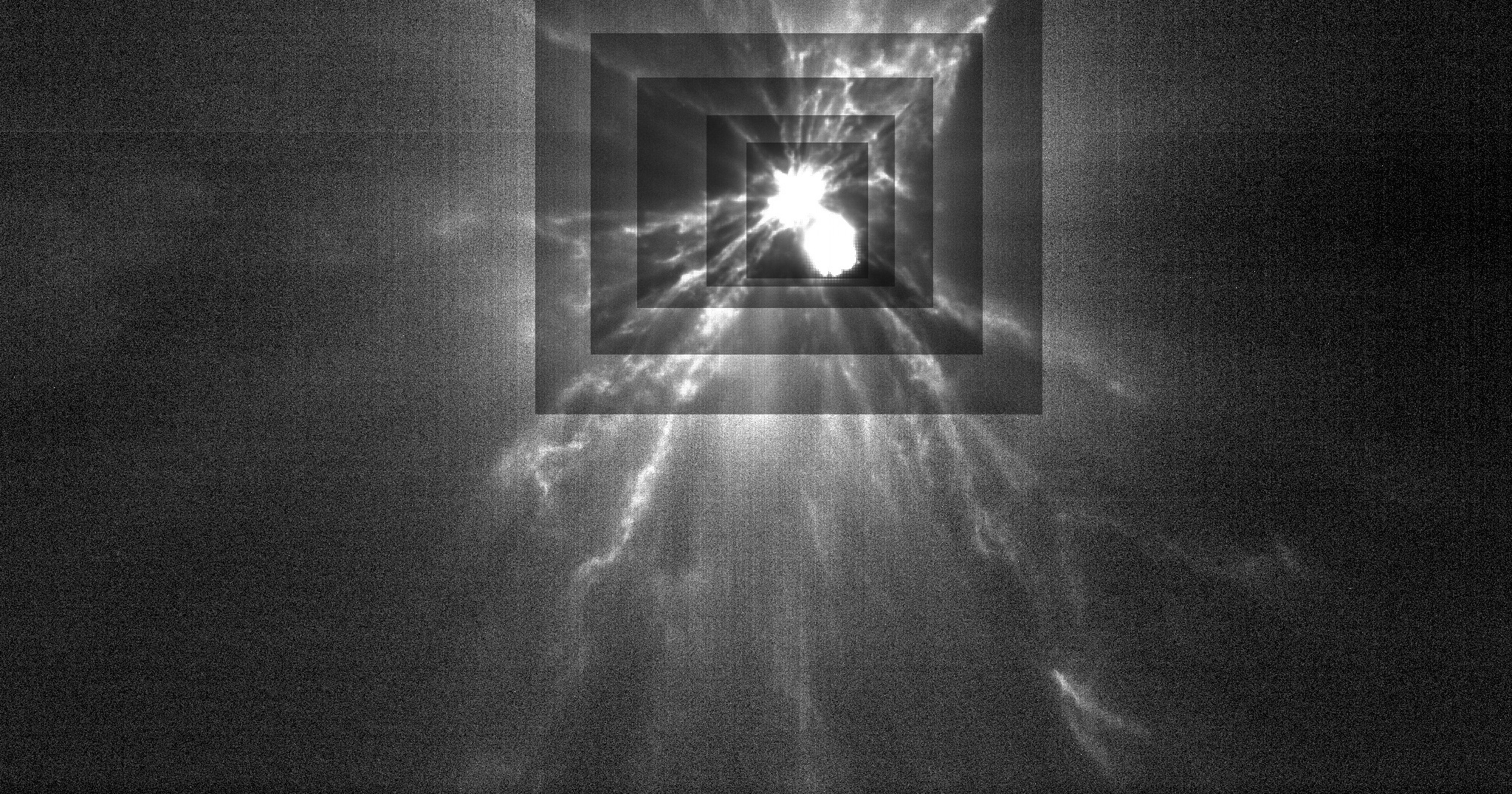
The collision blasted a huge amount of material into space, forming a long, comet-like tail stretching tens of thousands of kilometers.
Did It Work?
Yes—and even better than expected.
- Expected orbital change: at least 73 seconds
- Actual change: 33 minutes
This proved that a spacecraft can measurably alter the motion of an asteroid.
Why This Matters
If we discover a hazardous asteroid early enough, even a tiny change in its speed can cause it to miss Earth entirely.
DART showed that planetary defense is not science fiction—it’s something we can actually do.
Final Thoughts
DART represents one of the most important milestones in modern space science.
For the first time, humanity has changed the motion of a natural object in space—and that capability could one day protect our planet.
As a NASA Solar System Ambassador, my goal is to bring missions like DART to the public—because understanding space is the first step toward protecting Earth.